Healing Grief Matters Newsletter
If They Could Speak-
A letter from the one you are missing

If They Could Speak-

There is a moment in grief that most people never talk about.
Not the funeral. Not the first weeks when everyone shows up.
Later.
When the house is quiet again. When the questions begin.
Did I do enough? Did they know how much I loved them? Would I change something if I could go back?
This is where the mind stays.
Replaying. Reworking. Carrying what cannot be changed.
If they could speak into that moment — not as an idea, but in a way you could actually hear — it might sound something like this:
I know you think about me.
I know you wonder if I am okay. If I am at peace. If somehow, in a way you cannot see, I still know how much you love me.
If there is anything you have been waiting to hear — it is this:
You did enough. You loved me well.
I know where your mind goes.
Back to the last days. The last conversations. The things you wish had been different.
I know how you carry that — quietly, without asking anyone to help you hold it.
But that weight was never meant to be carried this long.
You have always taken care of what matters to you. That is who you are.
But now I see something else.
I see how you have continued to give — while slowly leaving yourself behind.
Forgetting to eat. Forgetting to rest. Holding yourself to a standard you would never place on anyone else.
If I could ask one thing of you, it would be this:
Be as steady with yourself as you were with me.
Not perfect. Not fixed.
Just steady.
I know you are afraid.
That if you laugh — if you have a good day — if something in your life begins to feel lighter — it means I am farther away.
That is not how love works.
You are not leaving me behind.
You are bringing me forward.
In the way you speak. In the way you show up for others. In the quiet choices no one else sees. In the moments where you choose to keep going even when it would be easier not to.
Our connection is not erased.
Our life together does not disappear because time continues.
What matters now is not how tightly you hold the loss.
It is how you allow the love to continue moving through your life.
So take care of your body. Nourish your mind. Step outside. Rest when you need to.
Not as a task. But as a way of loving who you are.
There is still life in front of you.
Not the same one. Not the one you expected.
But one that still belongs to you.
And if you move forward — even slowly, even imperfectly — you are not moving away from me.
You are bringing me forward— with you.
And that matters more than anything.
For the ones left behind — carrying love forward in a way the world does not understand.
Stella Rose, RN BSN, Hospice Nurse, Grief Educator
Founder, Healing Grief Matters
The Hearthside Kitchen
Comfort Foods In Less Than 10 Minutes- For Those Days When You Need It The Most.

🌿 Apple Cinnamon Oatmeal
There is something about standing at the stove
and stirring something warm that asks just enough of you
to bring you back into the moment.
Ingredients
1 cup rolled oats
2 cups water or milk
1 apple, chopped
1 tsp cinnamon
pinch of salt
1–2 tsp honey or maple syrup (optional)
Instructions
Bring oats, water (or milk), and salt to a gentle boil
Add chopped apple and cinnamon
Lower the heat and let it simmer for 5–7 minutes
Stir slowly as it thickens
Add honey or maple syrup if desired
Add apples and strawberries
🍓 The Strawberries and Apples
1 lb fresh strawberries and apples sliced
2–3 tablespoons honey or sugar
1 teaspoon vanilla
Toss and let sit 15–20 minutes. They release their juices naturally.
🌿 Why This Calms the Body
🥣 1. Oatmeal — Steady Fuel for a Stressed System
Oats provide slow, sustained energy.
In grief, the body often swings between not eating enough and running on quick, unstable fuel.
Oatmeal helps level that out.
It also contains soluble fiber (beta-glucan), which supports gut health—an important benefit because stress and grief often disrupt digestion.
When energy is steady, the body has less work to do to regulate itself.
And that alone can begin to reduce internal tension.
🍎 2. Apples — Gentle Digestion Support
Apples offer natural sugars paired with fiber.
This combination gives the body energy without overwhelming it,
while also helping digestion move more smoothly.
Grief often slows or unsettles the digestive system.
Simple, fiber-rich foods help bring it back into rhythm.
🍓 3. Strawberries — Quiet Anti-Inflammatory Support
Strawberries are rich in vitamin C and polyphenols,
which help reduce oxidative stress in the body.
Long periods of emotional strain can quietly increase inflammation.
Fresh fruit does something subtle—
it helps bring the body back toward balance
without adding heaviness.
🍯 4. Honey or Maple Syrup — Accessible Energy
A small amount of honey or maple syrup provides quick energy
when appetite is low.
In grief, people often go long stretches without eating,
then feel depleted.
A touch of sweetness makes food easier to take in—
and sometimes, that is what matters most.

🍲 Simple Miso Soup
There are days when a full meal feels like too much.
Too many steps.
Too much to prepare.
Too much to take in.
Miso soup meets you in a different way.
It is light.
Warm.
And it asks very little from you.
Ingredients
2 cups water
1–2 tbsp miso paste (white or yellow)
½ cup soft tofu cubes (optional)
small handful of chopped bok choy or green onions
a few pieces of seaweed (wakame or nori)
Instructions
Heat water until warm (not boiling)
Add miso paste and stir gently until dissolved
Add tofu, greens, and seaweed
Let sit for 2–3 minutes to soften
Pour into a bowl and sip slowly
🍲 Optional Add-Ins for Miso Soup
You don’t need all of these.
Choose one or two—or simply use what you have.
🌿 Greens & Vegetables
Bok choy
Spinach or leafy greens
Green onions (scallions)
Carrots (sliced or chunked)
Daikon radish or white radish
Zucchini or squash
🍄 Mushrooms
Shiitake mushrooms
Button or cremini mushrooms
🥣 Protein Options
Soft tofu (cubed)
Firm tofu (for a heartier texture)
Natto (fermented soybeans — optional, stronger flavor)
Shredded chicken (light and simple)
🌊 Sea Vegetables
Wakame (classic for miso soup)
Nori (torn into small pieces)
🍚 Additions for Substance
A small scoop of white rice
Rice noodles (very soft, easy to eat)
🧂 Toppings & Flavor
Sesame seeds
Chili flakes or chili oil (optional)
Soy sauce (a small splash if needed)
🍞 On the Side
Warm bread or sliced baguette
Simple toast
🌿 Why This Calms the Body
🧂 1. Miso — Gut and Nervous System Support
Miso is a fermented food.
It contains beneficial bacteria that support gut health—
and the gut plays a direct role in how the nervous system functions.
During stress and grief, digestion often becomes disrupted.
Gentle, fermented foods help restore balance without overwhelming the system.
🌊 2. Seaweed — Mineral Replenishment
Seaweed provides trace minerals like magnesium and iodine.
Magnesium, in particular, supports muscle relaxation and nervous system regulation.
When the body has what it needs at a basic level,
it does not have to stay in constant alert.
🍃 3. Greens — Light, Accessible Nutrition
Bok choy or green onions offer vitamins without heaviness.
They are easy to digest and add just enough substance
to make the body feel supported.
🍲 4. Warm Broth — Direct Calming Signal
Warm liquid does something immediately.
It slows the pace.
It softens the body.
Sipping something warm signals safety—
not in a dramatic way,
but in small, physical shifts.
The ToolBox- Weekly Go To’s.
One small act of care can reshape the landscape around you, a quiet reminder that healing often begins one step at a time.
How one small act of care can turn inner silence into a sanctuary.

A Quiet Connection
A Five-Minute Practice For The Body and Mind
There are parts of grief that thinking cannot reach.
Research in grief and trauma consistently shows that loss is not only an emotional experience — it is a physiological one. It lives in the nervous system. In the body. In the places that words and logic do not easily access.
This simple practice is not meditation in any formal sense. It requires no particular belief system.
It is a deliberate pause — a few minutes of stillness that allows the nervous system to settle and the body to release some of what it has been holding.
The Practice
Find a quiet place. Sit comfortably.
Place one hand on your chest.
Breathe slowly — in for four counts, out for six.
Continue for five minutes.
Nothing more is required. No outcome is expected.
Some people notice memories surface. Some feel the tightness in their chest ease slightly. Some simply experience, for a few minutes, less pressure from what they have been carrying.
And that may be enough to hear your answers.
5 minutes a day. That’s it.
Rest is not the absence of grief.
It is how the body begins to integrate it.
Check Out: Jon Kabat-Zinn — founder of Mindfulness-Based Stress Reduction. Clinically validated. University of Massachusetts Medical School. Universally respected.
This practice draws on the principles of Mindfulness-Based Stress Reduction — developed by Dr. Jon Kabat-Zinn at the University of Massachusetts Medical School — which has been extensively studied for its effectiveness in reducing physiological symptoms associated with stress, grief, and chronic pain.
Be still. Let the body rest. Let the mind quiet. Healing happens in the spaces between the doing.
— Stella Rose
One Thing at a Time-
Practical steps for steady ground.

🌿 A Reflection Practice
Connecting to what the letter stirred in you
After reading If They Could Speak—before moving on to the next thing—
take five minutes with these questions.
Not to answer them perfectly.
Not to analyze them.
Simply to notice what arises
when you sit quietly with each one.
This practice draws from the work of Jon Kabat-Zinn, whose research in Mindfulness-Based Stress Reduction demonstrates that deliberate, non-judgmental attention to our inner experience can reduce the physiological burden of stress and support the body’s ability to regulate itself over time.
How to Begin
Sit quietly.
Place one hand on your chest.
Breathe slowly—
in for four counts,
out for six.
Then read each question once.
And simply notice.
One
If the person you lost could speak to you right now—
what is the one thing you most need to hear?
Two
What have you been carrying—guilt, regret, something unsaid—
that you may be ready, even slightly, to begin setting down?
Three
Where do you feel your grief in your body today?
Not the emotion—
the physical sensation.
Tightness.
Weight.
Emptiness.
Simply name it.
Four
What is one small way
you could be as steady with yourself today
as you were with the person you lost?
Five
What would moving forward with them—
not away from them—
look like this week?
Even one small step.
When you are finished
When you are finished:
Write down one word that describes what you are feeling right now.
Not a sentence. Just one word.
If that word is heavy — regret, sadness, guilt, anger — that is honest. That is real. And it is welcome here.
Your word is not a destination. It is simply where you are today.
And knowing where you are — clearly, without judgment — is the first honest step toward where you are going.
You do not have to carry this word forever. You only have to acknowledge it today.
Closing
Grief asks a great deal of us.
Reflection asks only that we pay attention — honestly, gently, without judgment.
Hugs to you. We are doing this together.
— Stella Rose
Reference
Kabat-Zinn, J. (1990). Full Catastrophe Living. Delacorte Press.
We’re Building A Global Community!

Grief is a universal experience, but healing doesn’t have to be done alone.
Help us fulfill our mission to reach and support people worldwide as they heal from grief. Please read, subscribe, and share this link with anyone who could use a little comfort today.
Read, subscribe, and share here: https://healinggriefmatters.com/newsletter
WHAT’S COMING NEXT
A Note from Stella Rose
I have stood where you are standing.
Fifteen years as a hospice nurse taught me what grief looks like from the clinical side. Losing my son Miles taught me what it feels like from the inside.
And what I know — from both — is this:
The hardest part is not the funeral. It is the months that follow. When the support fades. When the world moves on. When the silence in the house becomes its own kind of weight.
That is the grief nobody warns you about. And it is exactly where Healing Grief Matters begins.
Healing Grief Matters Journal was built for these moments. Not to rush you through it. Not to offer polite advice or tell you to give it time.
Simply to be a steady place to land — for as long as you need one.
You are not moving on from the person you love.
You are learning how to carry them forward.
And you do not have to do that alone.
Stella Rose, RN BSN Hospice Nurse, Grief Educator, Author
Founder, Healing Grief Matters
https://healinggriefmatters.com/journal

ARRIVES IN MAY!
Resources and Contacts

Healing Grief Matters is dedicated to transforming the way the world understands and heals grief.
We Value Your Thoughts: We would love to hear what matters most to you during these difficult times. Share with us your needs, concerns, or stories that have shaped your world and how they have influenced your path in life.
Contact us at: [email protected]
Mail us: PO Box 1288, Kingston, Washington 98346
For more stories, tools, and ways in which we can support your journey, please visit our websites:
https://healinggriefmatters.com/journal
Stay connected. Stay courageous. Stay nourished.
— Stella Rose, Founder, Healing Grief Matters & 12 Grief Solutions
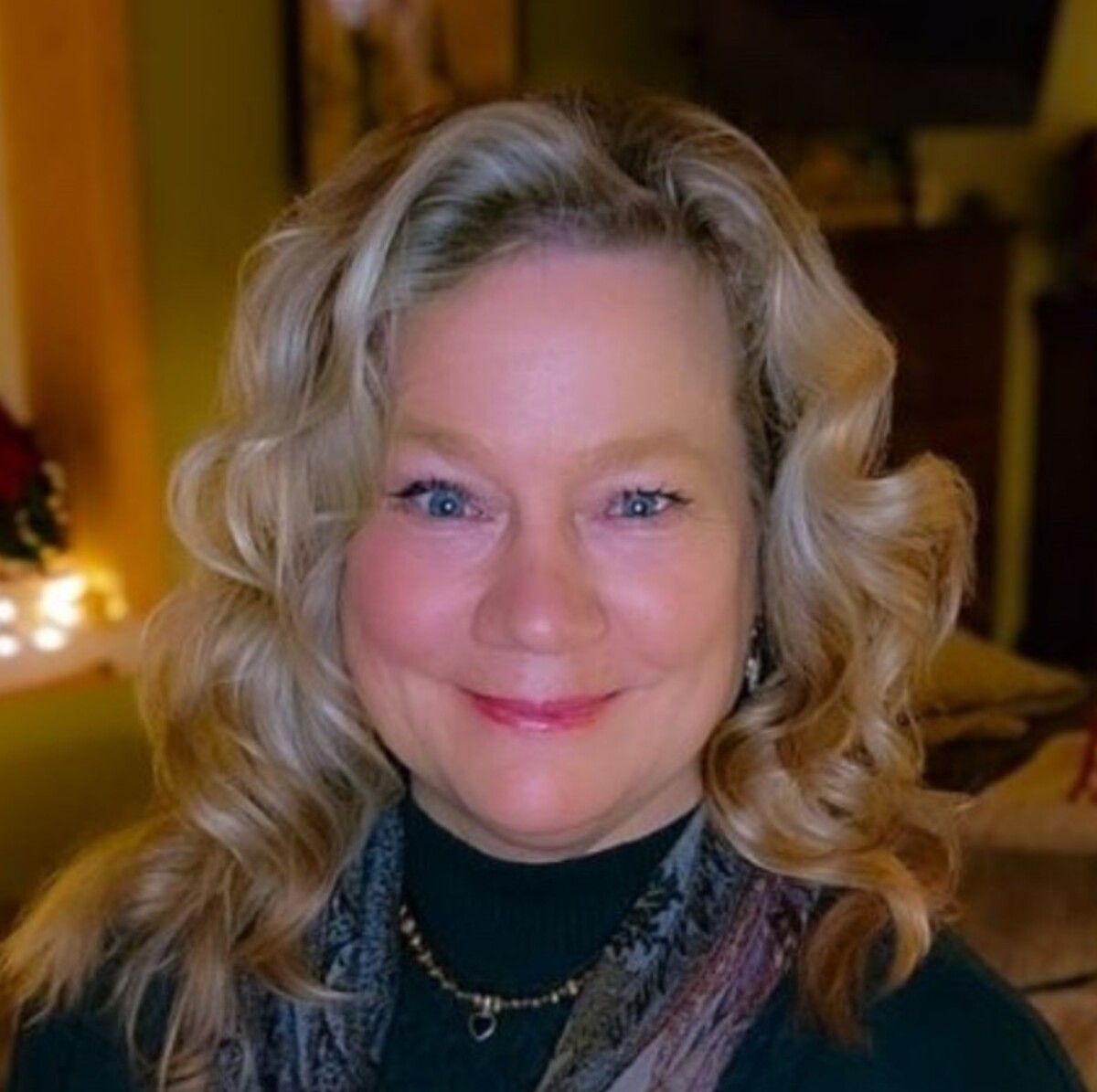
Stella Rose- A powerful and compassionate force in the realm of nursing, with over 15 years of experience specializing in grief, hospice, and unresolved life issues, working along the rugged coastal shores of the Pacific Northwest. Her expertise lies in guiding individuals through the profound complexities of grief that arise from the loss of a loved one, a way of life, death, self-identity, and personal trauma.
A truth seeker at heart, Stella is constantly researching new ways to ease suffering and bring solace to those in need. Her journey has taken her to diverse corners of the globe, where she has gathered healing modalities from various cultures and traditions. Through her 12 Grief Solutions framework and carefully curated resources, Stella guides individuals through the transformative work of grief—helping them honor their loss, process their pain, and discover the resilience and wisdom that emerge from walking through darkness.
With Deepest Gratitude-
Thank you for reading and trusting us to walk this path with you. Every reader strengthens our global community of support. We wish you peace and comfort during these difficult times.
Until next week- Enjoy the Spring Weather

Healing Grief Matters