Healing Grief Matters Newsletter
What Emotional Support During Grief
Actually Requires

What Emotional Support During Grief Actually Requires
A note from Stella Rose
I was riding my bike on the beach at Ocean Shores when I found them.
Three gray whales. Beached. Malnourished.
One looked like it was crying.
I stopped to take a picture, and before I could explain it or reason with it — grief rose in my chest the way it always does. Sudden. Physical. Completely beyond my control.
As a hospice nurse, I understand the physiology of grief. I know what loss does to the nervous system, the body, and the brain.
And still. Three whales on a beach brought me to tears on an ordinary afternoon. The sadness of loss. Their journey to the shore. Their hunger throughout their days. Life was walking by as they lay on the beach.
That is what grief does. It does not wait for an appropriate moment. It does not announce itself. It simply arrives — in the middle of a bike ride, on a beach in Washington, when you are not looking for it at all.
The body knows before the mind can take hold.
And when it arrives — the only honest response is to stop. To feel it. To let it be exactly what it is.
What grief actually needs
Grief isn't something you feel once and move through. It's something you carry — while working, parenting, managing responsibilities, and keeping life moving when nothing inside you feels steady.
What helps isn't big solutions or polished advice. What helps is small, consistent, grounded emotional support during grief — the kind you can return to. The kind that meets you where you actually are.
Here's what research and fifteen years of hospice experience show can truly help when you're coping with loss:
1. Regulation before resolution
Most people try to process grief while overwhelmed. But the nervous system has to feel safe before it can integrate loss.
This doesn't have to be complicated. It might look like slowing your breathing, sitting in stillness for a few minutes, or letting your body settle before trying to figure anything out.
You don't process grief in chaos. You process it in moments of steadiness.
2. Consistent support — not random check-ins
Support that comes and goes can make grief feel worse, not better. What actually helps is predictable grief support — something you can rely on each week, not just in the first month.
Grief doesn't resolve in a few weeks. Emotional support during grief shouldn't disappear after the funeral either.
3. Language for what you are feeling
Many people grieving don't know how to describe what's happening inside them. They only know something feels wrong, and it’s pulling on them.
Making every day exhausting, feeling mentally and physically depleted.
Learning how grief affects the brain and body — memory, focus, sleep, appetite, emotional regulation — can help you feel less broken and more human. Many people experience grief brain, where thinking clearly is genuinely harder.
You're not doing this wrong. You're doing something extraordinarily hard.
4. Space without pressure
You don't always need to talk. You don't always need to explain yourself or arrive with the right words.
What helps is a space where speaking and staying quiet are both welcome — where you don't have to perform okay for anyone.
5. One small step forward
Not a full plan. Not a timeline. Not healing in a neat or linear way.
Just one small, practical step you can take throughout your day. Because grief becomes more manageable when life is taken one honest step at a time.
The part nobody prepares you for
Those three whales reminded me of something I see again and again — in my hospice work and in my own grief.
There comes a point — often a few months after loss — when the calls slow down. The check-ins stop. The world moves forward.
When the triggers of losing a loved one arrive in the most unexpected places-
And you are left figuring out how to carry this on your own.
That search for something steady — for real emotional support during grief, for something that helps you actually process grief rather than just survive it — that is not weakness.
It is one of the wisest things grief can ask of you.
If you are in that place right now — I want you to know that something exists for exactly this moment.
There are many resources available that can support the unexpected moments of triggered grief.
Healing Grief Matters Journal can be one of them.
A quarterly grief companion — available in print and digital — written by someone who has walked this road personally.
Filled with stories, tools, daily quotes, and a curiosity that is different from others’ perspectives, surrounded by strength and truth that will carry you forward.
Not a clinical guide.
A steady companion for the long middle of loss. Something you can reach for at 2 am when the dark is real and the grief is heavy, and you need something to hold onto.
Our May issue is in its final process.
If you are ready for something to support you on the days when all falls apart — this was made for you.
Reserve your copy at https://healinggriefmatters.com/journal
Print: $20 · Digital: $12 (coming soon).

With the deepest love and unwavering commitment,
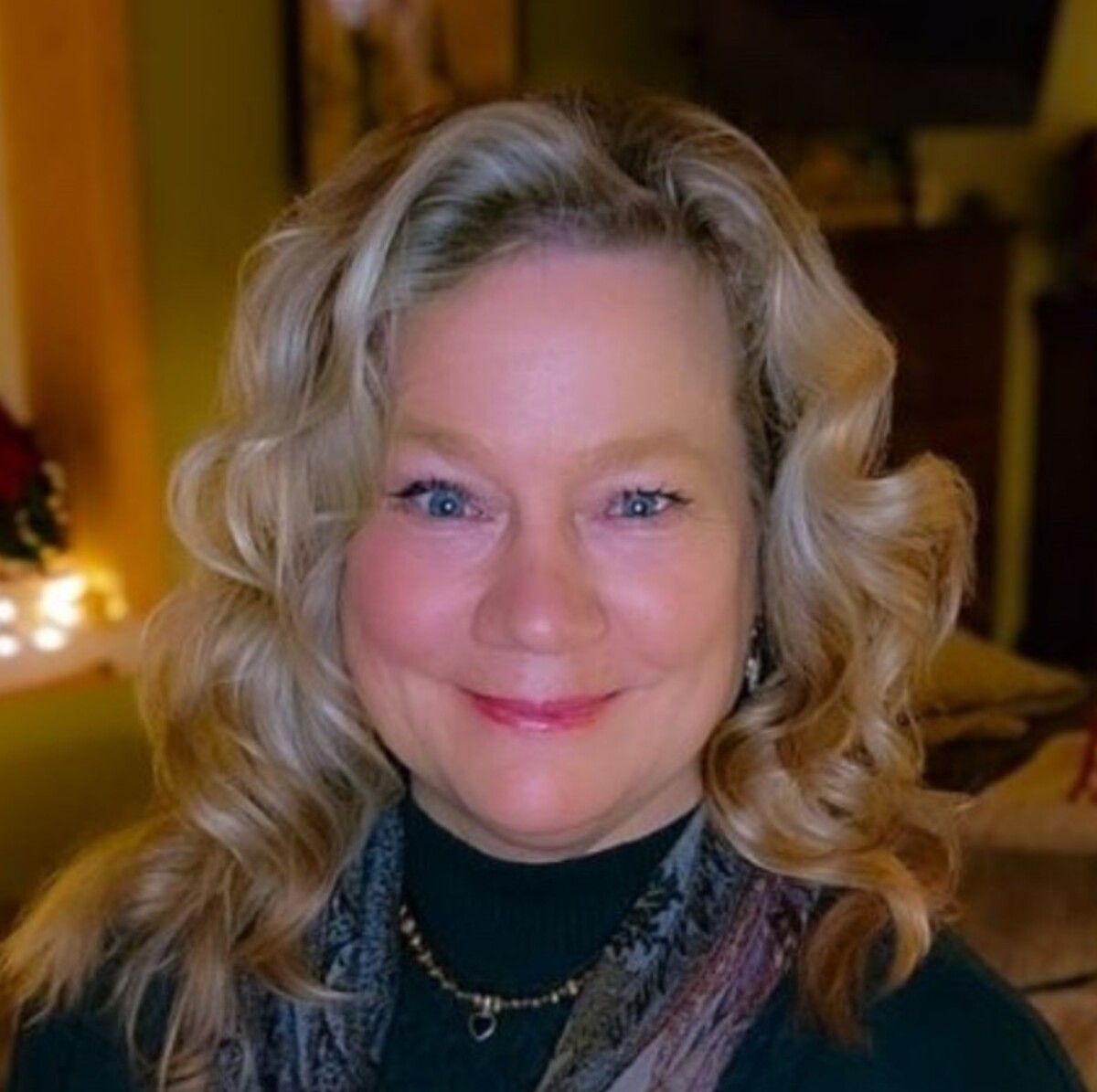
Stella Rose, RN BSN, Hospice Nurse, Grief Educator & Author
Founder of Healing Grief Matters / 12 Grief Solutions
Mother of Miles.
"For in the end, our loved ones do not live on in our suffering — they live on in our love carried forward."
Stella Rose
The Hearthside Kitchen
Comfort Foods In Less Than 15 Minutes- For Those Days When You Need It The Most.
🌿 Wild Caught Sweet Sticky BBQ Salmon

Ingredients
4 wild-caught salmon fillets
¼ cup honey
3 tbsp coconut aminos (or soy sauce)
2 tbsp maple syrup
2 cloves garlic (minced)
1 tbsp fresh grated ginger
1 tbsp olive oil
Juice of ½ lime
Pinch of sea salt
🔥 Instructions
Make the glaze
Whisk honey, coconut aminos, maple syrup, garlic, ginger, olive oil, and lime juice.Prep the salmon
Pat dry, lightly salt, and brush generously with glaze.Grill (skin-side down first)
Medium heat (about 375–400°F)
Cook 5–6 minutes per sideBaste as it cooks
Let the glaze caramelize into that sticky, slightly charred finishFinish with fresh lime + a touch of glaze
✨ A Stella Touch
Serve with:
warm rice
grilled pineapple or mango slices
🌿 Why Sticky Salmon Works in Grief (Nutritional Support)
1. Omega-3 Fatty Acids (Brain Support)
Salmon is rich in omega-3s, which support brain function and emotional regulation.
👉 Grief affects memory, focus, and mood
👉 Omega-3s help stabilize those systems
2. Protein for Energy + Stability
Grief is physically exhausting—even when you’re doing very little.
👉 Protein helps:
maintain energy levels
prevent crashes
support muscle and body recovery
3. Vitamin D (Mood Support)
Many people grieving experience low mood or depressive symptoms.
👉 Salmon naturally contains Vitamin D, which:
supports mood regulation
helps with emotional resilience
4. B Vitamins (Stress + Nervous System Support)
Salmon provides B6 and B12—important for:
nervous system function
reducing fatigue
supporting brain health
5. Easy to Eat + Gentle on the Body
Sticky salmon (slightly sweet, soft texture) is:
👉 easier to tolerate when appetite is low
👉 more appealing when nothing sounds good
6. Blood Sugar Stability
The combination of protein + healthy fats helps:
👉 Prevents emotional and physical crashes
👉 Keeps your system more regulated throughout the day
🌿 Fresh Strawberry Spinach Salad
Sweet and Savory, Crunchy and Smooth. The perfect blend when grief tries to take over the day.

🌿 Ingredients
4 cups fresh baby spinach
1 cup strawberries (sliced)
¼ cup walnuts or pecans (lightly toasted)
¼ cup blue cheese crumbles
¼ small red onion (thinly sliced, optional)
🍯 Simple Dressing
2 tbsp olive oil
1 tbsp balsamic vinegar
1 tsp honey
Pinch sea salt
🥄 Instructions
Add spinach to a large bowl
Layer strawberries, nuts, and blue cheese on top
Whisk dressing separately
Drizzle lightly and toss gently
✨ Stella Touch
Toast the nuts for a warmer, grounding flavor
Let the salad sit for 5 minutes after dressing—everything softens just slightly
Add grilled chicken or salmon if you want something more substantial
🌿 Why This Works in Grief
Sensory balance (very important)
This salad gives your body contrast:
soft spinach
sweet strawberries
crunchy nuts
rich, salty cheese
When you're grieving, your nervous system often feels either:
overwhelmed
or completely shut down
Food like this helps regulate an overwhelmed body and mind.
Savory and sweet give your brain something simple to focus on—without requiring effort or thought.
It’s not about nutrition perfection.
It’s about giving your body a sense of steadiness to feel, a moment of comfort on days when it needs a hug.
🌿 Grief Nutritional Support
This isn’t just a salad.
When you’re grieving, your body is often:
depleted
dysregulated
running on very little energy
Food like this works because it meets your body gently, without overwhelming it.
🥬 1. Spinach (Magnesium + Nervous System Support)
Spinach is rich in magnesium, which helps calm the nervous system.
👉 In grief, the body often stays in a heightened stress state
👉 Magnesium supports relaxation and reduces physical tension
🍓 2. Strawberries (Vitamin C + Gentle Energy)
Strawberries provide natural sugars and Vitamin C.
👉 Helps:
support the immune system (which weakens under stress)
provide quick, gentle energy when appetite is low
🌰 3. Nuts (Healthy Fats + Sustained Energy)
Walnuts or pecans give the body healthy fats and protein.
👉 These help:
stabilize blood sugar
prevent emotional and physical crashes
support brain function
🧀 4. Blue Cheese (Protein + Salt Balance)
The richness and slight saltiness of blue cheese:
👉 helps stimulate appetite when food feels unappealing
👉 provides small amounts of protein and fat for stability
🧠 5. Sensory Contrast (This Is Key)
Soft. Sweet. Crunchy. Rich.
This kind of contrast:
👉 gently brings your senses back online
👉 helps reconnect the body and mind
When grief makes everything feel flat or distant,
this matters more than people realize.
It is the warmth of a meal soon to be enjoyed that reminds us, even in the quietest seasons of grief, that nourishment is also an act of love.
The ToolBox- Weekly Go To’s.
One small act of care can reshape the landscape around you, a quiet reminder that healing often begins one step at a time.
How one small act of care can turn inner silence into a sanctuary.

The Power of Food in Grief- A note from Stella Rose
In fifteen years of hospice nursing, I watched grief do something that surprised even me.
It changed how people ate.
Not always dramatically.
Not always obviously.
But consistently—the body under grief behaves differently around food. Appetite disappears. Taste dulls.
The simple act of preparing a meal can feel like climbing a mountain when you have nothing left.
And yet, the body still needs something to hold onto.
Grief is not only an emotional experience. It is a physiological one.
Cortisol rises.
Blood sugar destabilizes.
The immune system weakens.
Sleep deteriorates.
And without even simple, steady nourishment, the body’s ability to carry and process loss becomes more difficult.
This is not about nutrition goals.
Not about meal plans.
Not about doing grief “correctly.”
This is about one simple truth:
When the body is fed—even gently, even imperfectly—it has more capacity to carry what grief asks of it.
A warm bowl of soup.
A piece of toast with butter and jam.
A cup of tea held in both hands.
These are not small things.
They are signals the body receives before the mind does—
signals that say:
You are still here… you are still being cared for… something in this world can still bring comfort.
I have watched families in the weeks after a loss forget to eat entirely—running on adrenaline, obligation, and the sheer momentum of grief.
And I have watched what happens when someone—
a neighbor, a friend, a daughter—
simply places colorful, hot, delicious food in front of them without asking.
Something shifts.
Something softens.
Not because the food fixes anything.
But because nourishment—physical, tangible, immediate joy that fills the senses—is one of the most ancient forms of care we offer each other in the aftermath of loss.
You do not need a full meal.
You do not need a plan.
You need something warm.
Something simple.
Something that tells your body—gently, without words—comfort is here. Rest for this moment and savor what your body needs.
Start there.
One warm thing.
One small bite.
One quiet signal that you are still here.
That is enough for today.
Grief asks a great deal of us.
Nourishing the body is one of the most honest ways to answer.
— Stella Rose, RN BSN
Hospice Nurse | Grief Educator | Author
Founder, Healing Grief Matters
healinggriefmatters.com
One Thing at a Time-
Practical steps for steady ground.

The Recipe Memory
A gentle reflection-
Think of one meal your loved one made—or one you shared together.
Not the big holidays.
Not the perfect moments.
Just one ordinary meal.
Write it down slowly:
What was it?
What did it smell like while it was cooking?
What did the kitchen look like—the light, the counters, the small details no one else would notice?
Was there music playing?
A window open?
Dishes in the sink?
Who was there?
Where were you sitting?
What was said—or not said—at the table?
You do not need to cook it today.
You do not need to recreate it perfectly.
Simply writing the memory down honors it.
Because food carries memory in a way that nothing else quite does.
It lives in the senses. Like grief.
In the smell that stops you mid-step.
In the taste that brings something back before you’re ready.
In the rhythm of hands preparing something familiar.
In grief, we often try to hold onto people through photographs or words.
But sometimes, memory lives somewhere quieter.
In the way butter melted on warm bread.
In the sound of a spoon against a bowl.
In the way a meal was placed in front of you without needing to ask.
These are not small things.
They are pieces of a life shared.
And when you write them down,
you are not just remembering the meal—
you are remembering the way you were cared for, and the way you loved in return.
If the memory feels heavy, you can stop.
If it feels warm, you can stay a little longer.
There is no right way to do this.
Just begin with one meal.
One moment.
One quiet way of saying:
this mattered… and it still does.
My favorite memory-
My grandma was a cake maker in Detroit, Michigan.
Each morning, I would wake up to the smell of fresh coffee and the sweet aroma of cake baking in the oven, and the sound of dishes being washed. I would find the tools she had laid out on the table that she would use to top the cake with fresh buttercream frosting. Hand-made flowers made with pastel and vibrant colors.
She would always make a small cake for us to share in the morning.
The smell of fresh cream, fragrant vanilla, and the first sip of coffee and cream as a young girl, these are things that bring me great comfort.
My grandma wore her apron around her dress throught the day. She was always beautiful, happy, and loving toward our family. These things I will never forget.
Remember- You are Loved. You are Worthy. You are Here.
We’re Building A Global Community!

Nobody Should Have to Walk Through
Grief Alone
Some of the most honest things I have ever read began with two words… Dear Stella.
And then — slowly — someone begins to tell their truth of what they are living with.
Not the version people see. Not the version they say out loud.
But the real thing.
The questions that don't have easy answers. The parts of grief that don't fit quaintly into conversations. The moments that leave you wondering if what you are feeling is changing everything about you.
I have been sitting with these letters.
Reading them slowly. Holding what is inside them.
Because there is something that arrives in the space between the writing and the sending — a kind of courage that simply moves the hand forward one word at a time until the true thing is finally on the page.
What I have come to understand — in all the reading, with what people have trusted me to hold —
is this.
Grief is one of the loneliest passages a human soul can move through.
Not because love is absent.
But because the deepest experiences of loss live in a place that ordinary language cannot reach, it is felt. And it aches.
In the hours before dawn, when the world is still, and the question rises again — the one without an answer, the one you have turned over a thousand times in the dark…
Someone else, somewhere across the world, in a different kitchen, in a different quiet, in a different language of loss —
has been holding those exact same words.
Alone.
In the dark.
Waiting.
Not for an answer.
But for the knowledge that they are not the only ones asking.
These are the questions most people never say out loud.
Not because they are too small.
But because they feel too large.
Too exposed.
Too close to something sacred to risk being misunderstood.
The thought that has been circling for months.
The feeling that has never found the right container.
The thing you have wanted to ask — but could not find the right place to share it.
During this month, I decided to expand something I hold sacred.
A place that has always existed—but has not been widely known.
It’s called Dear Stella.
Built slowly—out of letters, trust, and the understanding that some questions deserve more than a passing answer.
More than a comment.
More than a quick reply.
It was built from a seventeen-year journey of searching for my own answers—after the loss of my son Miles, and my mom, who lived with lung cancer for over twenty years.
For the questions that live closest to the heart.
For the person who has been waiting—
wondering if there is somewhere steady enough to finally ask:
Is what I’m feeling normal?
If there is something you have been carrying—and have not known where to place it—
I would like to invite you to share your thoughts, questions, concerns, and daily struggles. Because many are waiting for someone else to go first. Your courage ignites others to step forward. People want to feel safe in sharing their vulnerabilities. This is true for all of us to some degree.
Waiting to know they are not alone in it.
Not because people cannot handle their own grief.
Because we find a particular relief in discovering that what we thought was ours alone belongs to more of us than we knew.
You don't need the right words. You don't have to explain it perfectly. You don't have to know where to begin.

Just begin with two words. Dear Stella…Your body will take it from there.
📩 [email protected] Subject line: Dear Stella
Your words can give language to something someone else has been carrying for years. And for the person who has been waiting for someone to go first—
Your letter may be the moment everything shifts.
That is not a small thing. That is how we build a global community.
If something has been sitting with you — a question that feels too heavy for ordinary conversation, too private for people who know you, too real to risk being misunderstood — you can bring it here:
With Love, Strength, and Grace to Keep Us Going,
Stella Rose, RN, BSN
Hospice Nurse, Author, Founder, Healing Grief Matters, 12 Grief Solutions
Mother of Miles
"For in the end, our loved ones do not live on in our suffering — they live on in our love carried forward.
12 Grief Solutions: How to Grow
from Unresolved Grief- The Book
There are days when the weight of loss becomes too much.
When the grief you were managing begins to lead you somewhere you never intended to go.
A life that looks nothing like the one you planned. A version of yourself you do not quite recognize. A heaviness that has lasted longer than anyone told you it would.
If this is where you are —
12 Grief Solutions: How to Grow From Unresolved Grief was written for this exact moment.
Not the moment of the loss.
This moment.
The one nobody talks about. The afterward, when life moves on. And you're still holding your loss with all your might. (as we all do)
For the days when nothing makes sense—and you still have to move forward.
A seventeen-year journey from broken to found.
Get your copy here: https://www.amazon.com/dp/B0C87VC3V3

Resources and Contacts

Healing Grief Matters is dedicated to transforming the way the world understands and heals grief.
We Value Your Thoughts: We would love to hear what matters most to you during these difficult times. Share with us your needs, concerns, or stories that have shaped your world and how they have influenced your path in life.
Contact us at: [email protected]
Mail us: PO Box 1288, Kingston, Washington 98346
For more stories, tools, and ways in which we can support your journey, please visit our websites:
www.healinggriefmatters.com/journal
Stay connected. Stay courageous. Stay nourished.
— Stella Rose, Founder, Healing Grief Matters & 12 Grief Solutions
Stella Rose- A powerful and compassionate force in the realm of nursing, with over 15 years of experience specializing in grief, hospice, and unresolved life issues, working along the rugged coastal shores of the Pacific Northwest. Her expertise lies in guiding individuals through the profound complexities of grief that arise from the loss of a loved one, a way of life, death, self-identity, and personal trauma.
A truth seeker at heart, Stella is constantly researching new ways to ease suffering and bring solace to those in need. Her journey has taken her to diverse corners of the globe, where she has gathered healing modalities from various cultures and traditions. Through her 12 Grief Solutions framework and carefully curated resources, Stella guides individuals through the transformative work of grief—helping them honor their loss, process their pain, and discover the resilience and wisdom that emerge from walking through darkness.
With Deepest Gratitude-
Thank you for reading and trusting us to walk this path with you. Every reader strengthens our global community of support. We wish you peace and comfort during these difficult times.
Until next week- Breath Deeply and Find What Stirs Your Senses!

Healing Grief Matters